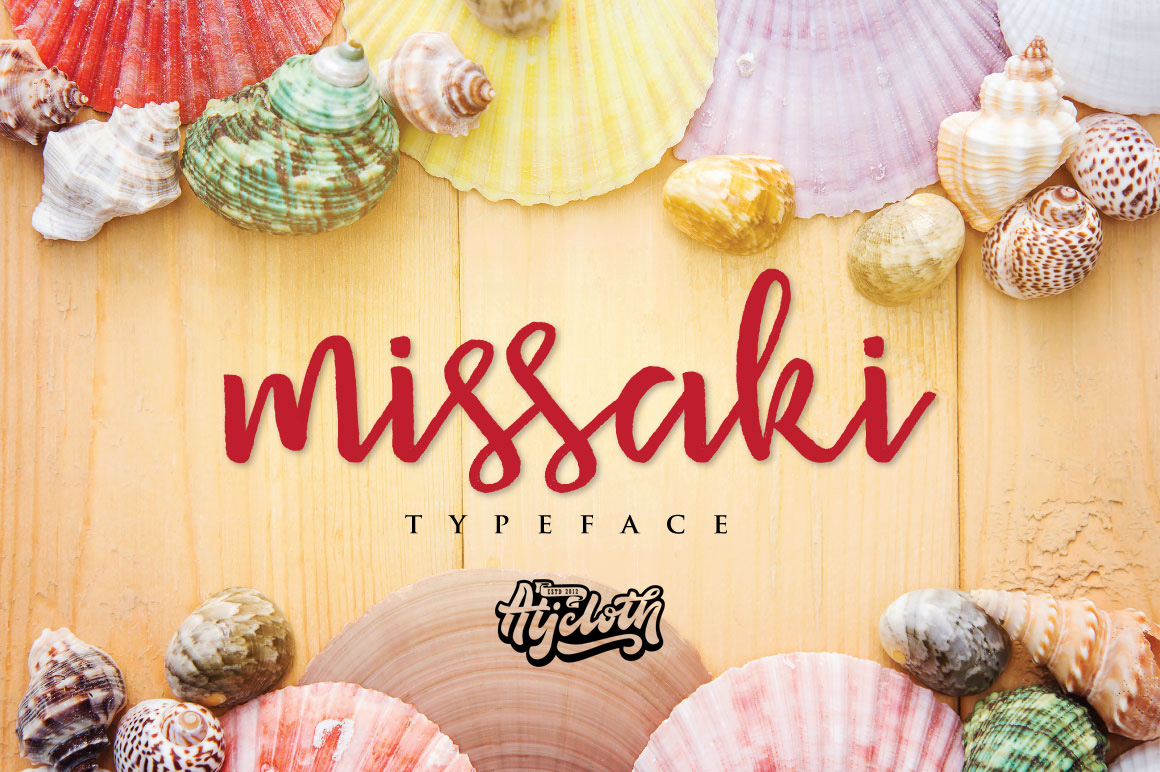
Missaki: A Fresh, Fluid Script Font for Modern Design
Script fonts can be tricky. Some feel too rigid, others too decorative for everyday use. Missaki enters that space as something different. Designed as a fresh, fluid script font, it brings a natural hand-drawn feel without sacrificing clarity. Whether you are designing a logo, building a brand, writing a blog post, or teaching a typography class, Missaki offers a balance of personality and readability that many script fonts miss.
For someone new to typography, Missaki might just be a pretty set of letters. But for a seasoned designer or a business owner looking to stand out, it can become a functional tool. Let’s explore what Missaki is, why different audiences might care about it, and how you can decide if it fits your next project.
What Makes Missaki Different
Missaki is not just another script font. Its letters flow into one another with a natural rhythm, almost like handwriting that has been refined for digital use. The strokes are smooth, the curves are deliberate, and there is an airy quality that prevents the text from feeling cramped. This makes it suitable for both short headlines and longer passages where a script style would normally become hard to read.
The fluidity of Missaki comes from careful attention to letter connections. Each character transitions into the next without awkward breaks. That might sound technical, but what it means for readers is simple: the text looks effortless. For designers, that ease translates into less time adjusting kerning and more time focusing on layout and message.
For Designers and Creative Professionals
If you work in graphic design, branding, or visual communication, you probably have a collection of fonts you trust. Missaki earns a place in that collection for a few reasons. First, it works across contexts. A wedding invitation, a café menu, a social media graphic, or a product label all benefit from a font that feels personal but not overly ornate.
Second, Missaki offers flexibility. You can scale it up for a hero headline and it retains its charm. You can use it at smaller sizes for captions or pull quotes, and it remains legible. That is not always true for script fonts, which often break down when reduced.
Third, the font pairs well with sans-serif and serif typefaces. If you need a secondary font for body text, something clean like Open Sans or Lora complements Missaki without competing. This makes layout decisions simpler, especially when you are working under a tight deadline.
For creative professionals, the value of Missaki is not just in how it looks. It is in how much work it saves. A font that already handles letter connections well means fewer manual adjustments. That is a practical benefit that affects speed and reliability in production work.
For Business Owners and Marketers
Branding is about recognition. A consistent visual identity helps customers remember you. Missaki brings a human touch to that identity. If your brand relies on warmth, approachability, or a handmade feel, this font can communicate that without extra design work.
Consider a small coffee shop. The logo, the menu board, the social media posts, and the website all need to feel cohesive. Using Missaki across these touchpoints creates a unified look. Customers see the same friendly script everywhere, and that builds trust.
For marketers running campaigns, Missaki works well in email headers, landing page titles, and promotional graphics. It grabs attention without shouting. The fluid curves draw the eye, which is exactly what you want when someone scrolls past your content in a crowded feed.
Cost is another factor. A quality font is an investment, but Missaki removes the need to hire a lettering artist for every project. Once you own the font, you use it repeatedly. That long-term value matters when you are managing a budget.
For Educators and Students
Typography might not be the first thing on an educator’s mind, but it influences how students engage with material. A handout, a slide deck, or a classroom poster that uses Missaki for titles can feel more inviting. The font softens the formal edges of educational content without making it look unprofessional.
For students studying design, Missaki is a good case study in what makes a script font successful. Analyze the letterforms. Look at how the ascenders and descenders are balanced. Notice where the font breaks from traditional calligraphy rules to improve readability. Understanding these choices helps students make better font selections in their own work.
If you are teaching a workshop on branding or visual communication, Missaki can serve as an example of a font that bridges style and function. Students can experiment with it in projects, learning firsthand why fluidity matters in script typefaces.
For Bloggers and Content Creators
Your blog is your voice online. The typography you choose either supports that voice or distracts from it. Missaki, used sparingly, adds a layer of personality to your posts. Try it in your post titles, subheadings, or featured quote blocks. It breaks up the monotony of body text and gives readers a visual pause.
For a lifestyle blogger, Missaki might appear in the header image of each post. For a food blogger, it could be the font used for recipe titles. For a travel blogger, it can evoke the handwritten notes of a travel journal. The key is consistency. Pick one or two places to use Missaki and stick with them. That creates a signature look that readers start to associate with your content.
Content creators on platforms like Instagram or Pinterest can also use Missaki in graphics. A quote overlay, a promotional graphic, or a story title all benefit from the font’s natural flow. Just remember that script fonts work best when the background is simple. Let Missaki be the focal point.
For Hobbyists and Personal Projects
Not every font purchase is for work. Sometimes you just want to make something beautiful. A birthday card, a photo album, a handwritten-style note for a gift, or a custom piece of wall art for your home. Missaki fits those personal projects perfectly.
The barrier to entry is low. You do not need design software experience to use Missaki effectively. Most word processors and simple graphic tools support font installation. Pick a color, type your message, and the font does the rest. The result looks like you spent hours on it, but you did not.
For hobbyists who enjoy scrapbooking, journaling, or DIY invitations, Missaki adds a professional finish. The fluid script style feels intimate, like something you wrote yourself, but with the polish of a professional typeface. That combination is hard to find.
Does Missaki Fit Your Goals
Choosing a font should be intentional. Here are a few questions to help you decide if Missaki matches your needs.
- What is the tone of your project? Missaki works best for warm, friendly, or elegant contexts. If your project calls for something bold, edgy, or strictly formal, a different font might be better.
- How will the font be used? If you need a script font for headlines, logos, or short text blocks, Missaki is a strong choice. For long body text, stick with a readable serif or sans-serif.
- What is your skill level? Beginners will appreciate how Missaki looks good with minimal effort. Experienced users will value the control and consistency it offers.
- What is your budget? If you are investing in a font for repeated use, Missaki offers solid long-term value. For a one-time project, consider whether the cost aligns with your needs.
- Do you need versatility? Missaki works across digital and print, large and small sizes, and pairs well with other fonts. If flexibility matters to you, this font delivers.
No single font works for everything. But Missaki covers more ground than most script fonts. Its fluid, natural design makes it approachable for beginners and reliable for professionals. Whether you are building a brand, teaching a class, writing a blog, or crafting a gift, Missaki gives your words a hand-drawn warmth that feels human.
Practical Ways to Try Missaki
If you are still unsure, start small. Download the font and test it in a single project. Use it for a logo concept, a social media graphic, or a title page. See how it feels in your workflow. Pay attention to how others react to it. Sometimes the right font gets noticed not because people identify it, but because the overall design feels more polished.
You can also pair Missaki with a clean sans-serif like Inter or Roboto. Let Missaki handle the headlines and the sans-serif handle the body. That combination is simple to implement and almost always looks balanced.
For educators, have students compare Missaki with other script fonts. Ask them to identify which one is easier to read at different sizes and why. That exercise builds critical thinking about typography that goes beyond personal taste.
For business owners, test Missaki in your email newsletter header. Track whether open rates or click-through rates change. A small visual update can sometimes make a big difference in how your audience engages.
Final Thoughts on Missaki
Missaki is more than a pretty script. It is a functional tool designed with intention. The fluid strokes, natural connections, and balanced proportions make it a versatile addition to any font library. Whether you are a beginner exploring typography or a professional refining a brand identity, Missaki offers something useful.
The best fonts are the ones you do not have to fight. They work with your content, not against it. Missaki does exactly that. It gives your words room to breathe and a voice that sounds human. If that is what you need from a script font, Missaki might be exactly what you have been looking for.