Evaluating Stayhend for Branding: A Practical Guide to Brush Script Typography
Choosing a typeface for a brand identity is rarely a straightforward decision. It involves weighing personality against practicality, originality against readability. Brush script fonts occupy a distinct space in this process, offering a handcrafted feel that can make a brand feel approachable and energetic. Among the options available, Stayhend presents itself as a notably playful choice, built around brush-based strokes with an expressive, dynamic tilt. If you are evaluating typefaces for a project—whether a logo, product packaging, or a headline system—understanding the specific strengths and tradeoffs of Stayhend is essential. This article provides a candid assessment, comparing its characteristics with broader script categories and offering a framework for making an informed decision.
What Makes Stayhend Distinct?
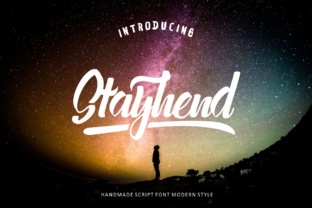
Stayhend is not a neutral typeface. It carries a specific temperament that sets it apart from more conventional scripts. Its letterforms are derived from brush strokes, which gives the text a natural, almost rhythmic texture that differs from purely geometric or vector-based scripts. The characters often connect in ways that feel spontaneous, adding a layer of human warmth to the words on the page or screen. This distinctness is a double-edged sword in branding. If a brand needs to convey approachability, creativity, or artisanal quality, Stayhend communicates that immediately. It suggests a human touch, which is valuable in markets saturated with sterile, corporate design. However, its strong personality means it leaves an unmistakable imprint, which may not suit every brand voice or industry context.
Comparing Stayhend with Other Script Categories
When evaluating Stayhend, it helps to look at the broader landscape of script and display fonts. Compared to formal scripts—think elegant, pointed pen styles reminiscent of classic invitations—Stayhend feels relaxed and casual. Formal scripts often convey luxury, tradition, and refinement. Stayhend, on the other hand, aligns more with modern, boutique, or casual brands. It speaks with a louder, more informal voice.
Against neat handwritten scripts, which aim for maximum legibility while retaining a personal feel, Stayhend embraces more contrast and irregularity. This gives it a bolder, more memorable silhouette. Some scripts lean neat and tidy; Stayhend leans into expressive and playful. Neither approach is inherently better—they are tools for different jobs. When placed next to highly textured or grunge fonts, Stayhend sits comfortably in the middle: textured enough to feel authentic and organic, but clean enough to remain professional and versatile across different mediums. This middle ground can make it a practical choice for brands that want to feel crafted without appearing rough or unfinished.
Strengths and Sweet Spots
Stayhend excels where personality matters most. Consider a local coffee roaster wanting to label small batches of single-origin beans. A clean, sterile sans-serif might feel disconnected from the craft involved. Stayhend, with its brush texture and playful movement, echoes the manual process of roasting and the artistry of the product. It adds a layer of authenticity that a more generic typeface cannot replicate.
Another strong use case is digital headlines, particularly in social media graphics or landing pages. The expressiveness of Stayhend grabs attention quickly. It adds character to content marketing, making a brand feel less like a corporation and more like a group of people who care about their work. Because it carries so much personality, it often pairs well with a restrained companion. A neutral, highly legible sans-serif or a light slab serif naturally balances Stayhend. This pairing creates a clear visual hierarchy: Stayhend for impact and emotional tone, the companion for information and readability.
Limitations and Practical Tradeoffs
Legibility is the primary constraint heading into Stayhend. Like many brush scripts, its flourishes and irregular stroke weights can make smaller text sizes difficult to read. It is rarely suitable for body copy, lengthy descriptions, or detailed instructions. Using it for these purposes sacrifices readability and accessibility, which can frustrate your audience and dilute your message.
Context is also critical. In a formal legal firm or a financial advisory context, Stayhend would likely feel out of step. Its inherent playfulness can undermine the seriousness required in such communications. Similarly, highly technical products often benefit from the clarity that comes with more standardized typefaces. Consider how Stayhend handles in different environments. On a craft beer label, its playfulness feels right at home. On a corporate annual report, it might feel inconsistent with the brand's core values. Evaluating the primary touchpoints of your brand is a key step before committing to a specific font. Testing the typeface in its intended medium—whether that is a print mockup or a digital prototype—is essential before finalizing your choice.
Decision Factors: Is Stayhend Right for Your Project?
How do you decide if Stayhend is the right choice? Start by defining the brand’s core voice. Is it playful or serious? Artisanal or industrial? Friendly or authoritative? Stayhend aligns strongly with the former in each pair. If your brand values include warmth, creativity, and human connection, it is a strong candidate. If your brand needs to project formality, precision, or neutrality, other options may serve you better.
Next, consider the primary application. Where will this font live most often? If it is primarily for a logo and select marketing collateral, Stayhend can work beautifully. If it needs to function across dense paragraphs, documentation, and complex interfaces, it should be reserved for accent or headline use only. For primary body text, you will almost certainly need a highly legible companion face.
Here are a few practical questions to guide your evaluation:
- Readability at small sizes: Have you tested Stayhend at the smallest size it will appear? Does the text remain clear?
- Character set coverage: Does the version of Stayhend you are evaluating include the specific glyphs, numerals, and punctuation your project requires?
- Pairing potential: Do you have a reliable, neutral typeface that complements Stayhend without competing for attention?
- Brand tone alignment: Does Stayhend reflect the emotional tone you want your audience to associate with your brand?
- Medium suitability: How does Stayhend perform in your primary medium, whether digital, large-format print, or small-scale packaging?
When Stayhend Fits Well
Stayhend is a strong fit for branding in creative industries, hospitality, lifestyle products, and personal brands. It works well for short-form hero text on landing pages, logo wordmarks that need a handcrafted feel, and social media content aiming for high engagement and personality. Small businesses and entrepreneurs who want to stand out from commoditized competitors often find that a distinctive script like Stayhend adds a layer of differentiation that a standard sans-serif cannot provide.
When to Look Elsewhere
If your project involves extensive body copy, technical manuals, academic papers, or user interfaces where clear scanning is critical, Stayhend will not serve your needs as a primary text face. Brands requiring a conservative or highly authoritative tone should also consider alternatives. For large-scale signage where legibility at a distance is paramount, a simpler, more straightforward typeface is typically a better investment. Understanding these boundaries is key to making an informed decision and avoiding a mismatch between your typeface and your audience's expectations.
Making a Thoughtful Selection
Typography is rarely about finding a universal best. It is about finding the right fit for a specific context and audience. Stayhend offers a distinct set of characteristics: playful, brush-based, and expressive. These features make it a powerful tool for branding projects that need to communicate warmth, creativity, and a human touch. Its tradeoffs—limited legibility at small sizes and a strong personality—require careful consideration. By mapping Stayhend’s strengths against your project’s primary needs, you can decide whether it serves as the main voice or a supporting accent. Evaluate your audience, your medium, and your brand’s temperament. If authenticity and approachability are high priorities, Stayhend is worth exploring. If clarity and corporate neutrality are paramount, you might lean toward another option or reserve Stayhend for special applications. Understanding these nuances is the key to choosing typography that truly supports your brand.