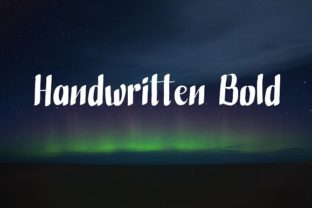
Handwritten Bold: A Practical Guide to Its Use and Alternatives
When you are choosing a typeface for a project, the sheer number of options can feel overwhelming. Among the many styles available, Handwritten Bold by Darwinoo occupies a specific and useful space. It is a display font that mimics the look of bold, intentional handwriting, but it is not simply a casual script. Understanding what this font offers, where it excels, and where it may fall short can help you decide if it fits your particular need.
What Makes Handwritten Bold Distinct
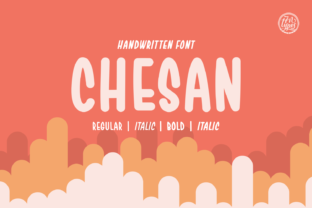
Handwritten Bold is a digital typeface designed to replicate the appearance of handwriting that is both emphatic and deliberate. Unlike many handwritten fonts that aim for a light, airy, or elegant feel, this one leans into weight and presence. The strokes are thick, the characters are sturdy, and the overall impression is one of confidence and directness.
What sets it apart from other handwritten styles is its balance between legibility and personality. Many bold handwritten fonts sacrifice clarity for impact, making them difficult to read in longer passages. Darwinoo’s design maintains a relatively clean character structure while still retaining the irregular edges and variations that make handwriting feel human. The result is a font that can work for short headlines, product labels, or social media posts without forcing your audience to decipher the text.
Another distinguishing feature is its set of stylistic alternates and ligatures. Depending on the version you use, Handwritten Bold may include multiple versions of certain letters, allowing you to create a more natural, varied look. This is important because one of the main reasons digital handwriting feels artificial is the repetition of identical characters. The alternates help reduce that problem.
Comparing Handwritten Bold with Similar Styles
When evaluating Handwritten Bold, it helps to place it alongside other categories of typefaces that serve similar purposes.
Handwritten Bold vs. Casual Handwritten Fonts
Casual handwritten fonts are often lighter, looser, and more playful. They work well for informal messaging, personal notes, or creative projects where a relaxed tone is key. Handwritten Bold, by contrast, carries more gravity. It is less likely to be used for a friendly invitation and more appropriate for a poster that needs to grab attention quickly. If you need a font that conveys urgency or authority while still feeling personal, Handwritten Bold is a stronger choice than a casual script.
Handwritten Bold vs. Bold Sans Serif Fonts
Bold sans serif typefaces are common in branding and advertising because they are clean, modern, and highly legible. They lack the organic touch of a handwritten font. Handwritten Bold introduces texture and warmth that a geometric sans serif cannot provide. However, if your project requires extreme readability at small sizes or over long blocks of text, a well-crafted sans serif will outperform Handwritten Bold. The tradeoff is personality versus reliability.
Handwritten Bold vs. Calligraphic or Script Fonts
Formal script fonts are built on consistent, flowing strokes and often include elaborate flourishes. They convey elegance and tradition. Handwritten Bold is rougher and more direct. It does not try to be refined. If you are designing a wedding invitation or a high-end product label, a calligraphic script may be more appropriate. For a coffee shop sign, a craft beer label, or a motivational quote graphic, Handwritten Bold feels more authentic and approachable.
Strengths and Limitations of Handwritten Bold
Every typeface has contexts where it shines and situations where it becomes a liability. Knowing these helps you avoid misapplying the font.
Strengths
- Visual impact: The bold weight commands attention. In a crowded visual space, Handwritten Bold stands out without needing additional effects like outlines or shadows.
- Human touch: In an era of clean, digital perfection, a handwritten style can make your message feel more genuine. Handwritten Bold achieves this without looking messy.
- Versatility in short formats: It works well for headings, quotes, product names, social media graphics, and packaging. The font is designed for short bursts of text where personality matters most.
- Brand differentiation: If your brand identity relies on being approachable, rugged, or handcrafted, Handwritten Bold can reinforce that image effectively.
Limitations
- Legibility at small sizes: The thick strokes can close up counters and make letters harder to distinguish when the font is rendered small. Avoid using Handwritten Bold for body text or fine print.
- Limited formality: Its casual, bold nature means it is not suitable for corporate reports, legal documents, or any context requiring a formal tone.
- Potential for monotony: Even with alternates, a single handwritten font used across an entire design can start to feel repetitive. Pairing it with a complementary neutral typeface often yields better results.
- Licensing considerations: As with any font from a specific designer, check the license terms carefully. Some uses, particularly commercial applications, may require extended licensing.
When Handwritten Bold Is the Right Choice
There are several scenarios where Handwritten Bold is particularly well suited. Recognizing these situations can save you time and improve your design outcomes.
Branding for artisanal or small-batch products. If you are branding a craft brewery, a bakery, a coffee roaster, or a handmade goods shop, the font’s handcrafted appearance aligns well with the product’s perceived authenticity. A bold handwritten label on a jar or bottle can signal that the contents are made with care rather than mass-produced.
Social media content. Platforms like Instagram and Pinterest are driven by visuals where text overlay is common. Handwritten Bold gives you a readable yet distinctive look for quotes, announcements, or promotional graphics. It performs well against photographic backgrounds because its weight provides contrast.
Posters and event signage. For events such as music festivals, food markets, or community gatherings, you need a font that is legible from a distance and feels energetic. Handwritten Bold meets that requirement without needing to be paired with decorative elements.
Youth-oriented or casual brand communications. If your audience skews younger or prefers an informal brand voice, a font like Handwritten Bold can help establish that tone. It reads as confident and unpretentious.
When to Choose an Alternative
Not every project benefits from a bold handwritten style. There are clear situations where another option is more appropriate.
Long-form reading material. If you are formatting an article, a blog post, or any text that runs more than a few lines, Handwritten Bold is not the right tool. Your readers will experience fatigue trying to parse the thick, irregular letterforms. A standard serif or sans serif typeface will serve better.
Professional or corporate documents. For reports, proposals, white papers, or official correspondence, a handwritten font undermines the tone of authority and precision. Stick with traditional typefaces that signal professionalism.
Highly formal events. As mentioned earlier, formal invitations, certificates, or luxury branding often call for refined scripts or elegant serifs. Handwritten Bold’s rugged quality would feel out of place.
Multilingual or non-Latin text. If your project requires extensive use of characters outside the basic Latin set, verify that the font supports them. Many handwritten fonts have limited language coverage.
Practical Comparisons for Decision-Making
To make the decision process more concrete, consider several common project types and how Handwritten Bold compares with alternatives.
Example: A craft beer label. A designer might choose between Handwritten Bold, a rough brush script, or a clean slab serif. Handwritten Bold offers a middle ground. It has the handcrafted feel of a brush script but is more controlled and legible. It also has more character than a slab serif. For this use case, Handwritten Bold is a strong candidate.
Example: A motivational quote poster. Options include a light hand-lettered style, a bold sans serif, or Handwritten Bold. The light hand-lettered style might feel too delicate. The bold sans serif could feel too corporate. Handwritten Bold delivers the emotional weight and human touch that such a project typically needs.
Example: A children’s book cover. Here, a playful, rounded font or a lively script may be more engaging for young readers. Handwritten Bold, while bold, may come across as too serious or heavy. The context and audience matter greatly in this choice.
Factors to Consider Before Committing
Before you finalize your choice, weigh a few practical factors that go beyond visual appeal.
Readability in context. Test Handwritten Bold at the actual size and medium you plan to use. A font that looks great on screen at 72 points may become difficult to read on a business card or a mobile ad. Print tests are especially important because ink spread can exacerbate the thickening of strokes.
Pairing with other typefaces. Handwritten Bold rarely works well on its own for a complete design. You will likely need a secondary font for body text or supporting information. Look for a clean sans serif or a simple serif that does not compete for attention. The goal is contrast without conflict.
Audience expectations. Consider what your audience associates with handwritten styles. In some industries or cultures, handwritten fonts may feel unprofessional or immature. In others, they signal creativity and approachability. Know your audience before you commit.
Project lifespan. If your design needs to remain relevant for years, a trendy handwritten font may date quickly. Handwritten Bold has a fairly classic bold handwritten look, but trends in typography shift. For long-term branding, ensure that the personality it conveys truly aligns with your enduring message.
Making an Informed Choice
Choosing a typeface is ultimately about matching the tool to the task. Handwritten Bold by Darwinoo is a well-executed option for projects that benefit from a strong, human, and direct visual voice. It is not a universal solution. It will disappoint if used where precision and formality are required. But when applied to the right context, it can elevate your design by adding warmth and assertiveness that more neutral fonts cannot achieve.
Take the time to test it alongside a few alternatives. Look at how it performs at different sizes, on different backgrounds, and in combination with other design elements. Consider both the immediate visual impact and the long-term impression on your audience. By thinking through these factors, you can decide with confidence whether Handwritten Bold serves your project or whether a different direction would be more effective.