Berinjela Font Family: Evaluating a Hand-Drawn Typeface for Authentic Design
Selecting the right typeface often involves balancing expressive personality with practical readability. Berinjela, a hand-drawn font family inspired by the spontaneous signage of food markets, offers a distinct aesthetic rooted in authenticity and warmth. Named after the Portuguese word for eggplant, this typeface comes in three variations—Regular, Rough, and Brush—each bringing a different level of texture and character to the page. This article provides a grounded evaluation of Berinjela to help you determine if it aligns with your specific project needs, exploring its practical strengths, inherent limitations, and the scenarios where it truly performs at its best.
Defining Berinjela: Origins and Core Attributes
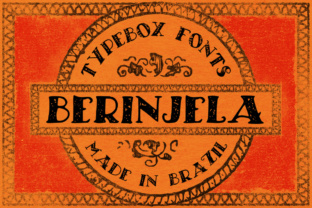
The foundation of Berinjela lies in the visual language of handmade signs found in traditional markets. The design deliberately avoids the perfected curves of digital typography, instead embracing the subtle quirks of lettering created by hand. The result is a typeface that feels personal and grounded, moving away from mechanical uniformity toward a more organic expression.
The family is structured into three distinct styles, allowing for significant visual range within the same core design concept. Each style serves a different purpose in the designer’s toolkit:
- Berinjela Regular: The most versatile of the three, this style captures a clean hand-drawn look without heavy texturing. It maintains good legibility for short to medium text blocks and serves as a strong foundation for the family. It is the most approachable option for users new to working with hand-rendered type.
- Berinjela Rough: This version adds a distressed, textured effect to the letterforms. It simulates the wear and tear of printed signage or chalkboard menus, lending a vintage or rustic feel that is highly effective for certain brand identities. The texture introduces a tactile quality to the digital rendering.
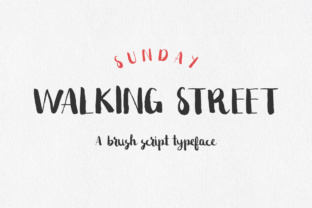
- Berinjela Brush: The most dynamic style, Brush emulates the varied stroke widths and pressure points of painting with a brush. It carries the strongest sense of motion and informality, making it suitable for bold headlines and visual anchors rather than extended reading.
Practical Strengths: When Berinjela Adds Clear Value
Berinjela excels in contexts where a brand or message needs to communicate humanity, tradition, or a crafted point of view. Its strengths are most apparent in specific design scenarios where emotional connection is paramount.
Building Brand Personality
For small businesses, artisanal producers, or local restaurants, a hand-drawn typeface can bypass the formality of standard corporate fonts. Berinjela can help a brand feel approachable and memorable. The name itself, referencing the eggplant, offers a subtle thematic link for Mediterranean, farm-fresh, or vegetarian-focused brands, providing an organic storytelling element that enriches the identity.
Versatility Across a Unified Family
Having three distinct styles within one family allows a designer to create a cohesive visual system. Using Regular for body text, Rough for subheaders, and Brush for a primary logo mark creates a unified yet varied typographic palette. This range is a practical advantage over single-weight hand-drawn fonts, allowing for complex typographic hierarchies without introducing conflicting design languages.
Visual Texture and Warmth
The hand-rendered quality brings a level of visual texture that flat, clean typefaces often lack. This can make packaging, signage, and editorial headers feel more tactile and inviting. In a digital environment full of polished serifs and sans-serifs, the organic curves of Berinjela can help content stand out, drawing the reader’s eye through a sense of crafted authenticity.
Evaluating Tradeoffs and Limitations
Like any specialized typeface, Berinjela comes with clear tradeoffs that should be weighed against project requirements. It is not a general-purpose workhorse, and understanding its constraints is essential for making an informed choice.
Readability Constraints
The very features that give Berinjela its character—irregular stroke widths, textured edges, and organic proportions—can impede readability at small sizes or in dense text blocks. Using the Rough or Brush styles for extended body copy in a book or a website is generally not advisable. Readers may tire of the visual noise. Even the Regular style requires careful sizing and generous leading to remain comfortable for longer passages.
Formality and Professional Perception
Berinjela is inherently informal. It would be a poor fit for legal documents, medical communications, corporate annual reports, or any context where a conservative and polished image is mandatory. Applying it in these settings risks undermining the perceived authority or seriousness of the content, as the casual nature of the letterforms may be interpreted as a lack of refinement.
Technical Constraints
The Rough and Brush styles, due to their complex vector contours and textured outlines, can result in larger file sizes compared to standard fonts. For web use, this can impact page load times. Designers should also test all three styles at various output sizes to ensure the texture does not break down or become muddy, particularly when printing at small sizes or on rough substrates.
Stylistic Specificity
Because the style is so distinct, it can be difficult to blend seamlessly into every design. It makes a strong statement, which means it is best used intentionally rather than as a default. If a project needs to shift tone frequently or appeal to a very broad, non-specific audience, a more neutral typeface might be a safer choice for maintaining consistency across diverse materials.
Strong Fit: Ideal Scenarios for Berinjela
The typeface aligns well with projects that prioritize emotional resonance over strict efficiency. Strong fits typically involve an emphasis on craft, locality, or nostalgia. Consider Berinjela for:
- Food and Beverage Packaging: Wine labels, olive oil tins, craft beer cans, organic preserves, and farmers market branding where the story of the product is central.
- Restaurant and Cafe Identity: Menu headers, wall signs, and takeaway packaging, particularly for bistros, bakeries, and rustic eateries looking to convey warmth.
- Artisan and Handcrafted Goods: Branding for handmade soaps, pottery, woodworking, or textiles where the value of handwork is a core part of the offering.
- Lifestyle and Food Editorial: Headlines, pull quotes, and display text in magazines or blogs focusing on food, travel, or slow living, where a personal touch is desirable.
- Nostalgic or Vintage Design Projects: Logos and posters that aim to evoke a specific time period or a general sense of heritage and tradition.
Alternatives Worth Considering
In situations where Berinjela’s specific characteristics become problematic, exploring alternatives can be a productive step. Other fonts or font pairings might serve the project better if your requirements lean in a different direction.
- High-Frequency Reading: If the font must function for long-form articles, documentation, or extensive body copy, pair Berinjela with a highly readable serif (like Source Serif or PT Serif) or a humanist sans-serif (like Open Sans or Work Sans). Let Berinjela handle the display work.
- Extreme Versatility Across Industries: For a single brand that spans both a farmers market and a corporate headquarters, a clean, less stylized typeface may offer more consistency across wildly different applications.
- Fluid Modern Brush Script: If the project needs more elegant swoops and fluidity than the structured strokes of Berinjela Brush, modern hand-drawn scripts from foundries like Storm Type or Hoefler&Co might be better suited for a graceful, flowing look.
- Digital Interface Clarity: For UI elements, icon labels, or small digital text, the imperfections of hand-drawn fonts can feel out of place or reduce clarity. A neutral sans-serif like Inter or Lato is often more reliable for interactive components.
Making an Informed Decision with Berinjela
Selecting Berinjela boils down to determining whether its specific narrative value outweighs its readability tradeoffs for your particular use case. Here are practical steps to guide the decision-making process:
- Define the Tone: Is the primary message warm, human, and authentic? If yes, Berinjela is a strong candidate. If it needs to be authoritative, efficient, or formal, it is likely not the right choice for the overall identity.
- Survey the Format: Where will the typeface be read? For large, impactful display work (packaging, posters, logos), the family excels. For lengthy body text or complex data, it will struggle without strong support from another typeface.
- Test the Styles in Context: Download the trial version of Berinjela. Test the Rough style at the actual size it will be printed or displayed. See how the Brush style holds up on a website mockup. The texture that looks great in a specimen sheet might not translate perfectly to a 10px web header or a small ingredient label.
- Assess Audience Fit: Consider the expectations of the target audience. A creative audience or local food enthusiasts will likely embrace the hand-drawn quality. A more conservative or older demographic might perceive it as lacking polish or professionalism.
- Plan the Pairing: Berinjela works best as an accent or headline face. Identify a clean, neutral sans-serif or serif to handle the functional body copy. This pairing creates a clear visual hierarchy where the personality of Berinjela is highlighted without sacrificing the readability of the main content.
Ultimately, Berinjela is a specialized tool designed for a specific job: infusing design with the honest, approachable character of hand-painted market signs. It is not a universal solution, but for projects where a personal touch is paramount, it offers a valuable and cohesive system of three styles that can bring a distinct voice to the work. By carefully considering the project’s tone, format, and audience, you can determine whether this hand-drawn family is the right tool to support your design goals effectively.