Astoria Classic Family: A Typeface That Bridges Tradition and Modernity
The world of typography is full of choices, but few typefaces manage to sit comfortably at the intersection of two styles the way the Astoria Classic Family does. With the release of Astoria Classic, the latest addition to the Astoria range, designers, creators, and professionals now have access to a typeface that feels both familiar and refreshingly new. It retains the same basic characteristics that made the original Astoria a trusted choice, but introduces vertical stress—a subtle yet impactful shift that changes how the typeface behaves in extended reading and display settings alike.
What makes Astoria Classic particularly interesting is what it is not. It is not quite a Roman serif, and it is not quite a sans-serif. The characteristic subtle top left serif has been carefully retained, giving each letterform a gentle anchor that avoids the rigidity of a full serif while offering more structure than a clean sans. This deliberate design choice makes Astoria Classic unusually versatile. It speaks to a growing need in modern design workflows: typefaces that can adapt without losing their identity.
Design Philosophy Behind Astoria Classic
Typography trends have shifted noticeably in recent years. The hard lines between serif and sans-serif have blurred as designers seek warmer, more approachable typefaces that still carry a sense of authority. Astoria Classic responds directly to this shift. By introducing vertical stress—a structure where the thickest parts of the strokes align along a vertical axis—the typeface gains a more upright, steady rhythm. This is a departure from the original Astoria, and it makes a real difference in how text flows on the page or screen.
Vertical stress is not a new concept in type design, but its application here is thoughtful. It gives Astoria Classic a more traditional reading feel, similar to what you might expect from classic book faces, while the retained subtle serif keeps it from feeling overly formal. The result is a typeface that works naturally in long-form content without becoming tiresome. For bloggers, educators, and freelance writers who spend hours staring at text, this matters more than most people realize.
Why the Subtle Serif Matters
The top left serif is small enough to go unnoticed at first glance, yet it changes the entire personality of the typeface. It creates a visual entry point for each letter, guiding the eye forward without the abruptness of a full serif or the monotony of a sans. This design detail makes Astoria Classic highly readable at smaller sizes while still retaining character when scaled up.
For marketers and business owners who produce a mix of digital and print materials, this dual nature is a practical advantage. You can use Astoria Classic for a company blog post, a product brochure, or even a landing page headline, and it will hold its own in each context. It does not force you to switch between multiple typefaces for different uses. That kind of consistency saves time and strengthens brand recognition.
Italics With Old-Style Roots and a Modern Edge
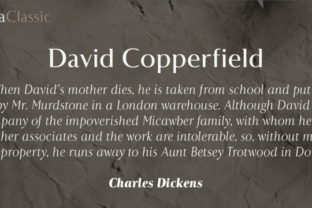
One of the standout features of Astoria Classic is its italic form. Unlike the original Astoria, the italics here are designed with old-style proportions—more flowing, more humanist in feel. Yet they avoid looking dated. The italics have a contemporary polish that keeps them relevant for modern interfaces, editorial layouts, and branding projects.
This combination is harder to achieve than it sounds. Old-style italics often carry a historical weight that can feel out of place in minimalist or tech-oriented designs. Astoria Classic solves this by keeping the letterforms clean and the stroke contrast moderate. The italics add emphasis without shouting, and they work particularly well in pull quotes, captions, or highlighted passages within longer articles. For content creators who rely on visual hierarchy to guide readers, having italics that are both expressive and legible is a genuine asset.
Designed for Text, Built for Headlines
Astoria Classic was designed specifically as a text face, which means its primary purpose is comfortable reading at body sizes. The spacing, the x-height, and the stroke weights are all optimized for extended reading. Yet the same qualities that make it a strong text face also give it surprising power at larger sizes. When used as a headline font, Astoria Classic retains its subtle serif details and vertical stress, creating a calm but authoritative presence.
This dual functionality is not common. Many typefaces that excel at small sizes lose their charm when blown up, and vice versa. Astoria Classic manages to do both well, which is particularly valuable for entrepreneurs and small business owners who may not have the budget or time to license multiple typefaces for different purposes. One thoughtful purchase can cover everything from email newsletters to presentation slides.
Practical Applications in Modern Workflows
How does Astoria Classic fit into the way people actually work today? Consider the range of formats a typical content creator or marketer deals with in a single week:
- Long-form blog posts and articles needing a readable body face
- Social media graphics where headlines must stand out quickly
- PDF reports or ebooks that require consistent typography across dozens of pages
- Website copy where clarity at various screen sizes is non-negotiable
- Brand materials like business cards, brochures, and presentations
Astoria Classic can handle all of these. Its neutral but warm personality means it does not impose a strong mood, allowing the content itself to take center stage. For educators and instructional designers, this is especially useful. When you are presenting information that needs to be understood clearly, the typeface should support comprehension, not compete with it.
Freelancers and independent creators will also appreciate the typeface’s reliability. You do not need to second-guess whether a headline will look awkward at a certain size or whether the italics will feel out of place in a specific layout. Astoria Classic behaves predictably across contexts, which reduces the friction that often comes with experimenting with new typefaces.
How Astoria Classic Fits Into Current Typography Trends
Several broader trends in typography and design make Astoria Classic particularly relevant right now. First, there is a growing preference for typefaces that feel human and approachable, even in digital spaces. The subtle serif and old-style italic both contribute to this warmth without sacrificing professionalism. Second, minimalism in design continues to dominate, but there is a counter-movement toward adding small, meaningful details that give a layout personality. Astoria Classic’s top left serif is exactly that kind of detail—small enough to be subtle, present enough to be noticed.
Another trend is the demand for versatile type families that reduce font overload. Designers and business owners are increasingly conscious of performance (loading fewer font files), brand consistency (using the same typeface everywhere), and usability (not having to learn the quirks of multiple typefaces). Astoria Classic, as a single well-crafted family, addresses all three concerns.
There is also a renewed interest in vertical stress as a design principle. In an era of variable fonts and endless customization, returning to fundamentals like stress, contrast, and proportion feels grounding. Astoria Classic does not try to do everything; it does a few things well, and that restraint is exactly what many professionals are looking for after years of typographic overload.
Recommendations for Using Astoria Classic
If you are considering adding Astoria Classic to your toolkit, here are a few practical suggestions based on how it performs best:
- Use it for body text in blogs, newsletters, and reports. The vertical stress makes it particularly comfortable for reading on screens over extended periods. Pair it with plenty of line spacing to let the typeface breathe.
- Try it as a headline font in print materials. The subtle serif becomes more apparent at larger sizes, adding a touch of sophistication without looking decorative or distracting.
- Leverage the italics for emphasis in long-form content. Unlike many text faces where italics feel like an afterthought, Astoria Classic’s old-style italics have enough personality to carry emphasis on their own.
- Combine it with a clean sans-serif for contrast. If you need a secondary typeface for data, captions, or UI elements, a neutral sans will complement Astoria Classic without clashing.
- Test it at various sizes before committing. While the typeface is forgiving, every project has its own constraints. Run a quick test in your layout tool to confirm the spacing and weight work for your specific content.
Why Astoria Classic Matters Right Now
Typeface choices are often treated as aesthetic preferences, but they have real consequences for how content is received. A typeface that is hard to read causes readers to bounce. A typeface that feels out of place erodes trust. A typeface that lacks versatility forces compromises in layout and design. Astoria Classic avoids all of these pitfalls by being carefully considered at every level: from the subtle serif that gives it identity, to the vertical stress that improves readability, to the italics that balance tradition with modernity.
For the wide range of adults who make up today’s creative and professional landscape—bloggers writing weekly posts, entrepreneurs building brands, educators preparing course materials, marketers crafting campaigns, freelancers juggling multiple clients—having a dependable, flexible, and well-designed typeface is not a luxury. It is a practical tool that makes everyday work easier.
Astoria Classic does not try to reinvent typography. It refines it, and in doing so, offers something rare: a typeface that feels both timeless and current, ready for whatever format or medium comes next.