Mensura Slab Family: A Modular Geometric Typeface with Subtle Rounded Appeal
Every designer knows the feeling of searching for a typeface that is both distinctive and usable — one that stands out on a poster yet remains readable in a short paragraph. Few fonts manage this balance as elegantly as the Mensura Slab Family. Designed by Pablo Balcells for Graviton Font Foundry in 2013, this modular geometric slab serif draws on clean geometry and soft rounded corners to deliver a typeface that feels approachable, modern, and versatile. Whether you are a brand designer, a digital content creator, or a business owner looking for a consistent visual voice, understanding what Mensura Slab offers can help you decide if it deserves a place in your toolkit.
In this article, we take a practical look at the family’s design roots, its key characteristics, the range of styles available, and the real-world scenarios where it performs best. We also discuss its limitations and how to evaluate whether it matches the needs of your specific project.
Designed for Flexibility: The Origins of Mensura Slab
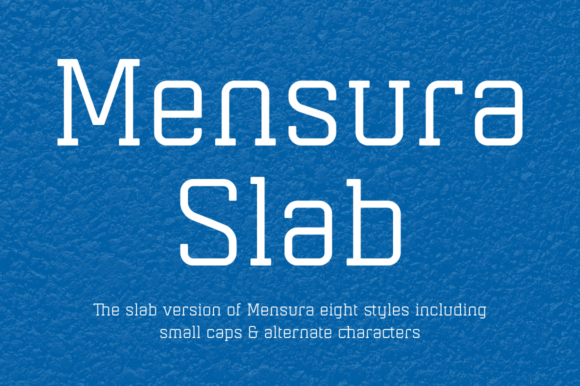
Pablo Balcells created Mensura Slab with a clear intention: to build a typeface that works primarily as a display face but also holds up for short to intermediate text lengths. The design language is modular and geometric, drawing from the tradition of slab serifs but softening the hard edges with subtly rounded angles. This gives the letterforms a pleasant, almost gentle appearance — a departure from the rigid, industrial feel of many geometric slab typefaces.
The name “Mensura” hints at measurement and proportion, and indeed the entire family is built on a consistent modular system. Each glyph sits confidently within its space, with even spacing that makes the typeface predictable and easy to work with. This predictability is a quiet strength: it means that Mensura Slab can be used across multiple touchpoints without visual surprises.
Styles, Weights, and Alternate Characters
Mensura Slab ships with eight styles in four weights, each with its own italic. That gives you a solid palette: from lightweight and delicate to bold and assertive, plus slanted versions for added nuance. But what really sets it apart are the extras — small caps and several alternate characters are included in every style. This level of detail might not be obvious at first glance, but it makes a difference when you need to set a headline in all caps without shrinking, or when you want to access a more playful alternate letterform for a logo.
Here is a quick overview of what the family includes:
- Weights: Regular, Medium, Bold, Black (each with Italic)
- Small caps: Available in all styles for refined typographic hierarchy
- Alternate characters: Several alternates (e.g., single-storey ‘a’, simplified ‘g’) that allow customization
- Stylistic sets: OpenType features for easy access in design software
These features are especially valuable for professionals who want to create a cohesive identity without purchasing multiple typeface families. With Mensura Slab, you get the range to handle headings, subheadings, and even short body copy in a single font investment.
Where Mensura Slab Shines: Practical Applications
Because of its balanced geometry and clear forms, Mensura Slab Family performs beautifully in several contexts. Let’s break them down by use case.
Branding and Identity Systems
A brand’s typography needs to be recognisable but not distracting. Mensura Slab’s rounded corners give it a friendly, accessible personality that suits modern digital-first brands. Paired with a clean sans serif, it can serve as the display voice for logos, taglines, and marketing headers. The small caps are particularly handy for creating consistent brand lockups.
Print: Posters, Flyers, and Book Covers
In print, the geometric structure of Mensura Slab catches the eye without shouting. The black weight works well for event posters where you need impact, while the regular weight is surprisingly readable for short text blocks like flyer body copy or a cover blurb. The italic styles add a dynamic feel for quotes or secondary information.
Digital Interfaces and Short-Form Content
Although Mensura Slab is not intended for long reading sessions, its clarity makes it suitable for UI elements such as buttons, navigation labels, and pull quotes. You can also use it for web headings in a brand-heavy site where you want to convey character. Because the letterforms are moderately wide, test your sizes carefully on mobile — but for hero sections and call-to-action areas, the legibility is excellent.
Packaging and Product Labels
The rounded angles give the typeface a tactile quality that translates nicely to packaging. Fresh food labels, cosmetic boxes, or artisanal product tags benefit from the softness. The alternates allow you to fine-tune the mood: switch to the single-storey ‘a’ for a more natural, less technical look.
Who Can Benefit Most from Mensura Slab?
This typeface is not a one-size-fits-all solution, but it fits a wide range of users:
- Graphic designers looking for a distinctive slab serif with modern proportions for branding and posters.
- Small business owners who manage their own marketing materials and need a professional font that works across print and web.
- Content creators and presenters who want readable slides with personality — the large x-height helps in presentation decks.
- Students and educators in design programs who can study modular typographic systems through Mensura Slab’s consistent structure.
- Agency teams building multi-language or multi-market campaigns; the Latin character set covers many European languages.
Because it is available from Graviton Font Foundry (visit the foundry website), it is accessible to independent designers and enterprises alike.
Strengths and Considerations
No typeface is perfect for every situation, so it helps to be aware of both the strengths and the limitations of Mensura Slab.
Strengths
- Distinctive yet neutral personality: The rounded geometry gives character without overwhelming the content.
- Excellent modular clarity: Even at small sizes, each letter remains identifiable — thanks to open apertures and consistent stroke shapes.
- Generous style range: Eight styles plus small caps and alternates provide flexibility within a single family.
- Friendly tone: The soft corners make it less intimidating than many geometric slab fonts; ideal for brands that want to communicate warmth.
Limitations
- Not made for long body text: While it can set short paragraphs, extended reading (like a magazine article) is better served by a text-optimized typeface.
- Moderate width may feel wide in tight layouts: The geometric spacing is consistent, but it can be space-hungry in condensed designs.
- Limited language support: The standard character set covers most Western European languages, but may not include Cyrillic or Greek.
Understanding these trade-offs helps you to use Mensura Slab where it excels and pair it with a more extensive text face for long-form projects.
Real-World Scenario: Rebranding a Local Coffee Chain
Imagine you are working on a rebrand for a regional coffee chain that wants to shed its outdated look and feel friendlier and more modern. The old identity used a heavy, brutalist slab serif that felt cold. You consider Mensura Slab Family as the display face because its rounded edges match the “welcoming” brief. In the new system, you use Mensura Slab Bold for menu headings, Black for the logo, and Medium Italic for promotional quotes. The small caps appear on signage for “ESPRESSO” or “LATTE” without the letters feeling cramped. The alternates let you tweak the logo until it feels just right. When the menu is viewed on a mobile app, the letters remain crisp at 14px for label text. The client loves it — and the font handles both the printed takeaway packaging and the in-store digital boards without breaking character.
This scenario demonstrates how the typeface’s design decisions translate into real benefits: a consistent tone across various media, a recognisable presence, and enough flexibility to avoid buying extra fonts.
How to Evaluate If Mensura Slab Is Right for Your Project
Before committing to any typeface, it pays to run a short evaluation. Here is a practical checklist to apply:
- What is the primary medium? If it’s print posters or digital hero text, Mensura Slab is a strong candidate. For long articles, look elsewhere.
- Does your brand need warmth? The rounded angles convey approachability. If you need a sharp, authoritative voice, consider a more traditional slab serif.
- Will you need many weights? The four weights should cover most display needs, but if you require a thin weight or a compressed width, you may need a complementary font.
- Are you designing for a single audience or global? For Latin-script markets, the coverage is good. For multilingual projects, verify the character set.
- Does your workflow support OpenType? To access small caps and alternates, you will need software that supports OpenType features (most professional design tools do).
If your answers align with Mensura Slab’s strengths, you can proceed with confidence.
Conclusion
The Mensura Slab Family by Pablo Balcells and Graviton Font Foundry brings together modular geometry, soft rounded details, and a practical range of styles. Whether you are designing a brand identity, a poster, a website headline, or a product label, this typeface offers clarity with a pleasing human touch. Its thoughtful extras — small caps and alternate characters — add value for those who pay attention to detail, and its performance in short to medium text sizes makes it more than just a display typeface.
In a market filled with many slab serifs, Mensura Slab stands out for its balance of utility and charm. By understanding its design philosophy, knowing where it works best, and being honest about its limitations, you can use this typeface to elevate your next project. As with any tool, the key is matching the font to the task — and when the task calls for a friendly, geometric slab serif, Mensura Slab is an excellent choice.