Manifesto
A manifesto is more than a statement of intent. It is a strategic document that clarifies your purpose, guides your decisions, and anchors your communication. Whether you are an entrepreneur defining a brand, a professional setting a team direction, or a creator launching a personal project, a thoughtful manifesto provides structure and conviction. The Manifesto font Trio supports this by offering three matching typefaces that bring visual coherence and character to your written declarations. When used intentionally, this combination of written strategy and typography can enhance how you plan, position, and execute your goals.
Why a Manifesto Belongs in Your Strategic Toolkit
Many professionals treat a manifesto as an optional exercise, but it can serve as a practical foundation for better decision-making. A manifesto forces clarity: it requires you to articulate what matters most, why you exist, and how you will act. This clarity translates into consistent choices across branding, operations, and customer experience. Without it, you risk scattering resources on initiatives that do not align with your core objectives. A manifesto acts as a filter—every new opportunity can be measured against it before committing time or capital.
For marketers and small business owners, a manifesto also shapes positioning. It answers the question of why someone should choose you over alternatives. This is not about hype; it is about communicating genuine value. When your manifesto reflects actual strengths and commitments, it builds trust with audiences. The Manifesto font Trio reinforces this trust by ensuring your written message looks as deliberate as its content. Consistency in typeface signals professionalism and attention to detail, which matter in competitive environments.
How the Manifesto Font Trio Strengthens Visual Communication
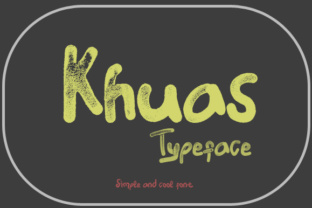
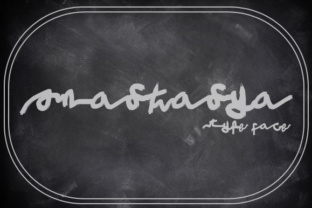
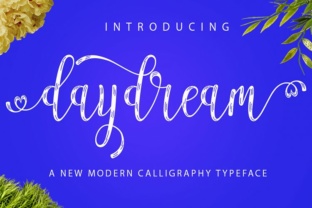
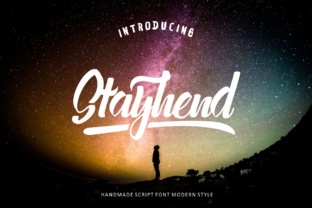
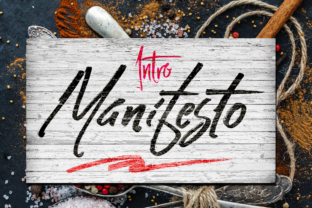
The Manifesto font Trio includes three matching fonts designed to be mixed and matched effectively. This versatility allows you to maintain a unified look while adding visual interest to different sections of your document—headlines, body text, quotes, or calls to action. From a practical standpoint, having a font family that works together reduces the guesswork in design. You do not need to search for complementary typefaces or worry about clashing styles. This saves time and reduces errors in branding materials.
In planning and operations, consistency in visual language supports long-term recognition. Whether you are drafting a company values page, a product launch deck, or a personal portfolio, using the same font family across materials creates a cohesive experience. For educators and bloggers, this consistency helps readers focus on content rather than being distracted by mismatched typography. The Manifesto font Trio gives you a ready-made system for achieving that harmony without requiring advanced design skills.
Practical Applications in Branding and Marketing
Consider a scenario where you are rebranding a small business. You write a manifesto that outlines your commitment to sustainability, craftsmanship, and community. To present this manifesto online and in print, you use the Manifesto font Trio: one font for the title, another for subheadings, and a third for body copy. This combination reinforces the idea that the brand is intentional about every detail. It also makes the document more readable and engaging, which increases the likelihood that visitors spend time with your message.
Similarly, if you are a freelancer creating a personal website, your manifesto can serve as the centerpiece of your about page. Using the font trio, you differentiate between your core promise, supporting evidence, and client testimonials. This structure guides the reader through your narrative without overwhelming them. The result is a clear, professional presentation that supports your positioning and helps you win projects.
Using Manifesto to Align Your Goals and Operations
A manifesto is not only for external communication. Internally, it can drive alignment among team members, partners, or collaborators. When everyone understands the principles that guide your work, decisions become faster and less contentious. For example, a startup founder might use a manifesto to define decision-making criteria for product features, hiring, or customer support. Each choice can be evaluated against the manifesto, reducing debate about what fits the mission.
For entrepreneurs and decision-makers, this alignment translates into operational efficiency. You spend less time debating priorities and more time executing. The Manifesto font Trio, when used on internal documents such as team handbooks, strategy decks, or meeting templates, reinforces that these principles are not casual suggestions—they are the foundation of how you operate. The visual consistency signals seriousness and commitment, which can influence how seriously others take the document.
Planning Your Manifesto: Strategic Steps
Before writing a manifesto, start with reflection. Ask yourself: What problem am I solving? For whom? What principles will not change even as tactics evolve? Answer these questions honestly, then distill them into a few clear statements. Avoid vague language—specificity makes the manifesto actionable. For instance, instead of "we value quality," say "we prioritize materials that last a decade or more." This type of statement directly informs product development and marketing.
Once drafted, test your manifesto against real decisions. If it helps you choose between two options, it is useful. If it feels irrelevant, revise it. The Manifesto font Trio can be applied at this stage to create multiple versions or drafts, allowing you to compare layouts and see which formatting best supports readability. The goal is a document that is both meaningful and usable, not a decorative statement.
The Risks of Using a Manifesto Without Clear Context
Relying on a manifesto without a clear context can lead to misalignment. For example, if you write a manifesto that sounds impressive but does not reflect your actual operations, it becomes a source of skepticism. Customers, employees, or partners will notice inconsistencies between your stated values and your actions. This erodes trust and can damage your reputation over time. A manifesto is not a marketing gimmick; it is a commitment that requires follow-through.
Another risk is overexposure. Using the same font across too many channels without variation can make your brand feel rigid or monotonous. While the Manifesto font Trio offers variety, it is still important to consider where and how you apply it. For instance, using the font trio exclusively on every piece of communication might overwhelm your audience. Balance visual consistency with strategic restraint—apply the fonts where they matter most, such as key documents and flagship pages, and allow simpler formats for routine updates.
Additionally, if your manifesto is too broad or generic, it provides little guidance. A manifesto that says "we innovate every day" without specifying how or why leaves room for interpretation but not direction. To avoid this, tie each principle to a concrete behavior or outcome. The font trio cannot fix a weak message; it can only present that message effectively. Start with substance, then use typography to strengthen delivery.
Making Intentional Choices with Manifesto and Its Fonts
Intentional use of a manifesto means treating it as a living document. Review it periodically to ensure it still reflects your current reality. As your business or career evolves, your manifesto may need updates. The same applies to your font choices—the Manifesto font Trio is designed for mixing, but you still need to decide which combinations suit specific contexts. For formal proposals, you might pair a clean serif title with a sans-serif body. For creative pitches, you might use a more distinctive style for emphasis.
Here are practical guidelines for using both the manifesto and the font trio effectively:
- Start with purpose: Define why you need a manifesto before writing it. This ensures the document serves a real function rather than being an abstract exercise.
- Test readability: Print your manifesto in different font combinations from the trio. Ensure that body text remains legible at small sizes and that headings stand out appropriately.
- Limit variations: Use no more than two or three fonts from the trio in a single document to maintain hierarchy without chaos.
- Align with your audience: Consider what visual tone resonates with your readers. A professional audience may prefer classic pairings, while a creative audience may appreciate bolder contrasts.
- Document your choices: Keep a style guide that specifies which fonts from the trio to use for different purposes. This saves time and ensures consistency across team members.
For bloggers and publishers, a manifesto can also guide content strategy. You might write a personal editorial manifesto that outlines the topics you cover, your perspective, and your commitment to readers. Using the Manifesto font Trio on your blog header, sidebar, and email templates reinforces that identity. Readers begin to associate that typography with your unique voice, which builds recognition and loyalty over time.
Long-Term Value of a Thoughtful Manifesto
The long-term value of a manifesto lies in its ability to reduce cognitive load. When you have clear principles, you spend less energy on routine decisions and more on creative growth. For hobbyists turning a passion into a business, a manifesto can be the bridge between casual effort and professional execution. For experienced professionals, it can serve as a reset button when operations become chaotic. The Manifesto font Trio complements this by providing a visual system that grows with you. As your materials multiply—websites, brochures, presentations, reports—having a consistent font family ensures that your brand remains recognizable without constant redesign.
Ultimately, the combination of a well-crafted manifesto and a matching font trio is a tool for intentionality. It helps you say what you mean and mean what you say, both in words and in presentation. Approached with strategy and clear goals, a manifesto becomes a practical asset for achieving better results across planning, communication, and operations. The font trio ensures that asset is presented with the clarity and care it deserves.