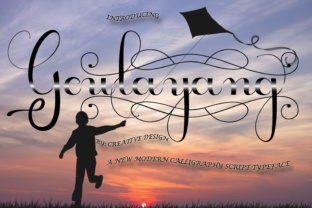
Geulayang: A Handwritten Font with Strategic Purpose for Modern Creators
When you first encounter Geulayang, a handwritten font from Creative Drsign, it might seem like just another decorative typeface. But dismissing it as merely aesthetic would be a missed opportunity. In the right context, a font like Geulayang can become a deliberate tool that shapes perception, reinforces messaging, and supports long-term goals. The key is to approach it not as a random choice, but as a strategic decision rooted in your objectives.
What Makes Geulayang Distinct
Geulayang is a handwritten script font that carries a friendly, approachable character. Its strokes feel natural and slightly informal, which sets it apart from rigid serif or sans-serif fonts. For professionals, entrepreneurs, and creators, this informality can be a strength when used intentionally. It evokes warmth, personal touch, and authenticity—qualities that are increasingly valuable in digital-first communication. Unlike many script fonts, Geulayang maintains a moderate level of readability, making it suitable for short bursts of text without sacrificing its handcrafted feel.
Aligning Font Choice with Your Goals
Every font you use sends a signal. Geulayang signals that you value connection over formality. If your brand or project aims to build trust, show personality, or create a sense of approachability, this font can support those objectives. For example, a small business owner selling handmade goods might use Geulayang on product labels to reinforce the crafted nature of their work. A blogger writing about lifestyle or personal development might use it for headings to invite readers in. The decision should stem from your core goals, not from a desire to look "trendy." When you align typography with your mission, you move from decoration to function.
Branding and Visual Identity
When building a brand, consistency matters. Using Geulayang as part of your visual identity—perhaps in a logo, social media headers, or website accents—can create a cohesive and memorable impression. However, it works best when paired with a simpler, more neutral font for body text. This balance prevents fatigue and maintains readability while allowing the handwritten element to stand out where it matters. For instance, a life coach might use Geulayang in their logo and quote graphics, then pair it with a clean sans-serif for long-form website copy. The contrast signals both warmth and reliability.
Marketing and Customer Communication
Email campaigns, promotional graphics, and landing pages can benefit from the human touch Geulayang provides. A call-to-action button in Geulayang might feel more inviting than one in a standard sans-serif. But test it with your audience. If your customers expect professionalism and precision, a handwritten font might undermine credibility. Strategic use means knowing your audience and matching their expectations. A children's book publisher, for example, could use Geulayang on promotional postcards to resonate with parents seeking heartfelt stories. A legal firm, on the other hand, would likely avoid it entirely.
Creative Projects and Educational Materials
For educators, freelancers, and content creators, Geulayang can inject personality into presentations, infographics, or social media posts. It works especially well for short quotes, headings, or accent text where you want to draw attention. Using it for large blocks of body copy is rarely advisable—handwritten fonts are harder to read in long form. That is a practical constraint to respect. A teacher might use Geulayang for a classroom poster or a lesson plan cover to make materials feel more personal and engaging. For workbooks or worksheets, reserve it for titles and captions.
Customer Experience and Packaging
Physical and digital packaging benefits from thoughtful typography. A handwritten font like Geulayang can evoke the handmade, artisanal quality that many buyers seek. Imagine a small-batch candle company using Geulayang on its labels and thank-you cards. The font reinforces the brand story without needing extra words. In digital interfaces, using Geulayang sparingly for error messages or subtle notes can reduce friction by adding a human voice. But testing is critical: what feels warm to one user may feel unprofessional to another.
Planning Your Approach to Geulayang
Before you integrate Geulayang into your workflows, take time to define its role. Ask yourself: What message do I want this font to convey? How does it align with my brand's voice? Where will it appear, and how often? Planning prevents scattered use that dilutes impact. Create a simple style guide that specifies where Geulayang is used (e.g., headings, pull quotes, logo) and where it is not (e.g., body text, legal disclaimers). This clarity helps maintain consistency across projects. Also consider file formats—ensure you have the correct webfont and desktop licenses from Creative Drsign before deploying.
Risks of Using Geulayang Without Clear Context
Using a handwritten font without purpose can backfire. If your website or marketing materials rely heavily on Geulayang for all text, readability suffers. Visitors may leave. If your brand is in a serious or technical field (finance, healthcare, law), a casual font might appear unprofessional. Another risk is overuse—when a font appears everywhere, it loses its specialness. And if you use it without considering licensing (always check Creative Drsign's terms), you could face legal issues. Strategic use means understanding and mitigating these risks. One common mistake is using Geulayang in a responsive design where it becomes too small to read on mobile; always test across devices.
Long-Term Value: Building Recognition and Trust
When used consistently and intentionally, Geulayang can become a recognizable part of your visual language. Over time, audiences associate its warmth with your brand. This builds trust and loyalty. But this only happens if the font choice is authentic to your mission. A font cannot save a weak strategy; it can only amplify a strong one. View Geulayang as an enhancer, not a crutch. Small businesses, in particular, can benefit from this long-term investment—a distinctive handwritten accent helps you stand out in a crowded market without requiring a huge budget.
Practical Decision-Making Guidance
To decide whether Geulayang is right for a specific project, consider these criteria:
- Purpose: Is the goal to create a personal connection? If yes, Geulayang may help. If the goal is to convey authority, consider a different typeface.
- Audience: Will your audience appreciate a handwritten style? Test with a small segment before committing. Demographics matter—younger audiences often respond well to informal design, while older or more conservative groups may not.
- Medium: Is the text short and impactful? Geulayang works well for headlines, badges, or social graphics. Avoid for long articles or reports.
- Pairing: What other fonts will you use? Choose a clean, neutral companion to balance the personality of Geulayang. Classic pairings include Lato, Open Sans, or Merriweather.
- Consistency: Can you use it consistently across channels? A scattered approach weakens brand recognition. If you cannot commit to using Geulayang on multiple assets, consider a simpler font that is easier to maintain.
- Licensing: Have you verified that your usage—commercial, web, print—is covered? Creative Drsign usually provides clear terms, but double-check for specific projects like apps or merchandise.
By applying these filters, you move from random font selection to deliberate design strategy.
Integrating Geulayang into Your Operations
For small business owners and marketers, integrating a font might involve updating templates, social media graphics, or print materials. Plan the rollout: update key assets first, then secondary ones. Train your team on where to use it. If you are a freelancer, add it to your toolkit for client projects, but explain your rationale to clients so they see the strategic value. This transparency builds your credibility as a thoughtful professional. For publishers and bloggers, consider using Geulayang for social media quote cards and newsletter headers. Track engagement metrics like click-through rates or shares to see if the new typography influences behavior.
Evaluating Results Over Time
Like any design decision, using Geulayang requires ongoing evaluation. Monitor how your audience responds. Are they engaging more with content using the handwritten style? Do brand recall or sentiment scores improve? Set benchmarks before implementation and revisit after a quarter. If the results are neutral, that is okay—the font still contributes to a cohesive identity. If negative, be prepared to pivot. The most effective practitioners treat typography as a living part of their strategy, not a one-time choice.
Thoughtful Observations on Handwritten Fonts in Business
Handwritten fonts like Geulayang fill a specific niche: they humanize the digital space. In an era of automation and generic templates, a touch of handmade character can differentiate you. But this only works when the font matches your values. If your brand genuinely cares about connection, creativity, and craft, Geulayang can be a natural extension. If you are simply following a design trend, the dissonance will feel hollow. The most successful uses come from introspection—knowing who you are and choosing a tool that reflects that.
Ultimately, Geulayang is a tool. Like any tool, its value depends on how skillfully you wield it. By aligning it with your goals, planning its use, and respecting its limitations, you can turn a simple handwritten font into an asset that supports your long-term vision. The best decisions are made with both creativity and discipline—and Geulayang rewards that approach.