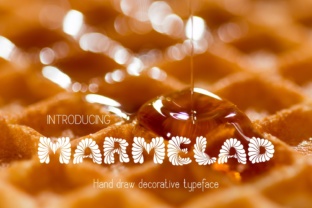
Marmelad: Hand-Drawn Character for Modern Brands
In a design landscape often dominated by sterile geometric precision, the resurgence of handcrafted authenticity marks a powerful shift in visual communication. Enter Marmelad, a carefully drawn font created on a digital tablet that bridges the gap between organic human touch and modern digital workflow. This typeface isn't just another set of characters; it is a subtle rebellion against the impersonal, offering designers a tool that breathes life, warmth, and genuine personality into every project.
The Story Behind the Stroke
What makes Marmelad stand out in a crowded typography market is its origin story. It was meticulously drawn by hand using a digital tablet, meaning every curve and terminal carries the nuance of a human stylus—slight pressure variations, natural inconsistencies, and an organic rhythm that software alone cannot replicate. For graphic designers and brand strategists, this detail matters. It signals a move away from mechanical perfection towards something more relatable and trustworthy. In a world craving authenticity, Marmelad provides a direct visual line to the human hand.
Where Marmelad Elevates Creative Projects
From logo design to editorial layouts, the versatility of Marmelad makes it a valuable creative asset. It performs exceptionally well across a spectrum of applications, making it a go-to resource for designers working on diverse brand identity systems.
- Branding and Logo Design: Marmelad excels at crafting approachable, memorable identities. Its hand-drawn nature suggests transparency and a human-centric brand philosophy, ideal for startups, creative agencies, and lifestyle brands looking to differentiate themselves through design.
- Social Media and Digital Marketing: Cutting through the noise on digital platforms requires visual distinction. Marmelad adds a layer of editorial warmth to quotes, promotional stories, and campaign headers, improving user engagement through typography that feels personal and deliberate.
- Website and UI Design: When used for headlines and hero sections, Marmelad introduces a focal point of visual interest. It beautifully anchors the visual hierarchy, pairing perfectly with clean sans-serif body text to balance expression with solid readability in web design.
- Packaging and Print Design: Marmelad feels right at home on a craft coffee bag, a boutique magazine cover, or an artisanal product label. It infuses packaging design with a modern aesthetic that communicates quality, care, and attention to detail.
- Merchandise and Signage: From t-shirt graphics to large-format posters, Marmelad retains its character and legibility. It brings a cohesive, polished feel to advertising campaigns and physical merchandise.
Integrating Marmelad into Your Design Workflow
Choosing the right typography is a critical step in the creative process. It goes beyond aesthetics to impact how audiences perceive a brand. Here are practical considerations for making the most of handcrafted fonts like Marmelad in your projects.
Pairing and Composition
Because Marmelad carries a strong, expressive voice, it pairs best with neutral, structured typefaces. A clean sans-serif for body text or UI elements allows Marmelad to shine without compromising clarity. Think of it as the lead vocalist in a band—it needs a solid rhythm section to perform its best. The interplay between crafted headlines and simple body text creates a dynamic visual composition that guides the reader's eye naturally across the layout.
Color Palette and Visual Identity
Typography and color are inseparable partners in brand identity. The hand-drawn quality of Marmelad invites exploration with specific color palettes. Earthy tones, muted pastels, and high-contrast monochromatic schemes each create different emotional responses. For a premium, professional presentation, try pairing Marmelad with a restricted, intentional palette. This ensures the typography complements rather than competes with the overall color strategy, strengthening the entire visual identity system.
Scalability and Consistency
One of the primary concerns with hand-drawn typefaces is legibility at various scales. Fortunately, Marmelad was carefully constructed to retain its visual integrity whether it is blown up on a billboard or used smaller on a business card. For designers, this scalability is a crucial factor in maintaining consistency across brand touchpoints. A consistent visual hierarchy, supported by reliable typography, is the backbone of effective UX design and lasting brand recognition.
The Role of Typography in Modern Aesthetics
We are currently in an era where design trends fluctuate between maximalist expression and minimalist clarity. Marmelad sits comfortably at the intersection of these movements. It provides the expressive, human touch needed for storytelling without sacrificing the professionalism required for both digital and print design. It allows brands to communicate warmth, creativity, and attention to detail—qualities that resonate deeply with today's consumers. Whether you are designing for a digital product, a marketing campaign, or a retail environment, the fonts you select directly influence the success of your visual communication.
Ultimately, the power of a resource like Marmelad lies in its ability to make designs feel more human. It encourages us to move beyond default options and consider how every element—from the curve of a letter to the spacing of a headline—contributes to the story we are telling. By integrating Marmelad into your design workflow, you are choosing to prioritize character and connection. It is a reminder that the best design assets are not just tools, but collaborators in the pursuit of meaningful, impactful creative work.