High Desert: A Typeface for Modern Storytelling
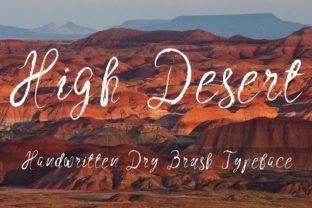
Some fonts whisper. Others shout. A rare few manage to tell a story without making a sound. High Desert, created by Darwinoo, belongs to that third category. It is a display typeface inspired by the rugged landscapes, open skies, and weathered textures of the American Southwest. But what does that actually mean if you are not a graphic designer or a branding specialist? More than you might expect.
Typefaces shape how people perceive information before they read a single word. High Desert carries a distinct personality—earthy, bold, slightly imperfect in a deliberate way. It evokes hand-painted signs on roadside diners, vintage postcards from ghost towns, and the quiet vastness of desert horizons. For anyone who communicates visually, that personality can be a powerful tool.
What High Desert Actually Is
High Desert is not a generic sans-serif or a formal serif. It sits somewhere between a rough-hewn slab serif and a distressed western display font. The letterforms have noticeable texture, uneven edges, and a handcrafted feel. Darwinoo designed it to capture the essence of desert culture—not the cartoonish version, but the authentic, weathered aesthetic of real desert environments.
The font includes multiple weights and stylistic alternates, which gives users flexibility without losing the core character. It works best at larger sizes where the texture and shape details remain visible. That makes it ideal for headlines, logos, posters, packaging, and any project where the typography itself carries meaning.
For professionals, the technical quality matters. High Desert comes with OpenType features, standard character sets, and support for multiple languages. For hobbyists and beginners, the appeal is simpler: it looks distinctive without requiring advanced design skills to use effectively.
Why Different People Care About the Same Font
A typeface is rarely just a typeface. Different audiences evaluate High Desert through different lenses, and understanding those perspectives helps you decide whether it fits your own work.
Designers and Creative Professionals
For graphic designers, web designers, and art directors, High Desert offers a shortcut to a specific mood. If a client needs branding for a brewery, a coffee roaster, a boutique hotel in the Southwest, or a music festival with a rustic theme, this font does half the work. It brings atmosphere without needing elaborate illustration or photography.
Designers also care about how a typeface performs under pressure. High Desert holds up well at display sizes, and the distressed edges remain readable rather than muddy. That reliability matters when you are working on tight deadlines. One designer I know used it for a limited-edition hot sauce label and said the font sold the product faster than any copywriting could.
Experienced users might also explore the stylistic alternates to create custom wordmarks that feel hand-lettered. That level of flexibility adds commercial value because you are not stuck with a single look.
Business Owners and Marketers
If you run a small business or handle your own marketing, font choices directly affect how customers perceive your brand. High Desert is not appropriate for every industry—it would feel out of place on a corporate law firm website. But for businesses in hospitality, food and beverage, outdoor gear, artisan goods, or lifestyle products, it can communicate authenticity and craftsmanship.
Consider a café in a mountain town. Using High Desert on the menu board or tote bags tells customers this is not a chain; it is a local spot with character. That emotional connection is difficult to achieve with standard system fonts. For the entrepreneur who values brand identity over generic polish, High Desert provides a cost-effective way to stand out.
Marketers should also consider readability in digital contexts. High Desert works well on printed materials and larger web headings, but it is not designed for body text. Using it correctly—sparingly and at appropriate sizes—prevents the visual fatigue that comes from overusing decorative typefaces.
Educators and Content Creators
Teachers, workshop leaders, and online content creators have different priorities. They need materials that capture attention and reinforce a theme without distracting from the message. High Desert can be useful for course titles, presentation headers, workbook covers, or social media graphics related to topics like geography, history, art, or culture.
For example, an educator creating a lesson plan about the American West might use High Desert for the title slide and section headers. The typeface visually reinforces the subject matter, helping students connect content with context before the lesson even begins. That is a form of visual learning that goes beyond decoration.
Content creators on platforms like YouTube or Instagram can also benefit. A video about desert travel or outdoor survival gains credibility when the thumbnail or lower thirds use a font that matches the theme. Viewers subconsciously register the consistency, and that builds trust over time.
Hobbyists and DIY Enthusiasts
Not everyone using High Desert is a professional. Hobbyists—scrapbookers, home crafters, amateur photographers, or people designing invites for a themed party—may care less about OpenType features and more about ease of use. The good news is that High Desert installs like any standard font and works in most design software, including free tools like Canva or GIMP.
For the hobbyist, the main question is whether the font matches the project. A desert-themed wedding invitation, a travel blog header, or a personalized gift tag all benefit from the handcrafted feel. The learning curve is minimal: pick a size above 24 points, add a warm color palette, and the font does the heavy lifting.
Practical Evaluation: Does High Desert Fit Your Needs?
Deciding whether a typeface is right for you depends on three factors: your project type, your skill level, and your long-term goals. Here is how to think through each one.
Project Type
High Desert excels in projects where atmosphere matters more than neutrality. If you are designing something that should feel rugged, nostalgic, artisanal, or adventurous, this font is a strong candidate. It performs poorly in projects that require clean minimalism, high-density text, or corporate professionalism. Knowing those boundaries prevents misuse.
Practical examples where High Desert fits well:
- Restaurant menus and chalkboard-style signage
- Band posters and event flyers with a vintage bent
- Product packaging for small-batch goods
- Travel blogs or magazines focused on the American West
- Personal branding for photographers or illustrators
Examples where it is probably the wrong choice:
- Academic papers or official documents
- Corporate annual reports
- Body text in long-form articles
- E-commerce product descriptions
Skill Level
Beginners will find High Desert forgiving. Because the typeface already has texture and personality, it looks good even with minimal design experience. Pair it with a simple background, avoid overcrowding, and you have a polished result. The risk for beginners is overusing it—using the font for everything in a single project. Limiting it to headers or accent text keeps the design balanced.
Experienced users can push the font further. Using stylistic alternates, combining it with complementary typefaces, or applying custom letter spacing can create unique compositions. Professionals might also use High Desert as a starting point for hand-lettering projects, using the font as a structural guide rather than a final product.
Long-Term Usefulness
A font purchase is an investment, especially for freelancers and business owners who build a library over time. High Desert falls into the category of a specialty typeface—it will not be your everyday workhorse, but it will be the perfect tool for certain jobs. Its value comes from how often those jobs arise in your workflow.
If your work regularly involves rustic, vintage, or nature-inspired themes, the font pays for itself quickly. If your projects rarely lean that direction, a single license may still be worth it for that one special project that needs to stand out. Consider your portfolio and the types of clients or audiences you serve most often.
Quality, Cost, and Reliability
Darwinoo is an established type foundry with a reputation for quality. High Desert includes multiple weights, OpenType support, and well-hinted letterforms that render cleanly across platforms. The font is available for purchase through standard type marketplaces, and licensing options cover desktop, web, and app use depending on your needs.
Compared to custom lettering or hiring a designer for a bespoke type treatment, High Desert is highly cost-effective. The upfront cost is modest, and the time saved by not creating a custom solution from scratch is significant. For professionals who bill by the hour, that efficiency matters. For hobbyists, the one-time cost is low enough to experiment without pressure.
Reliability is also worth noting. The font installs and works across macOS, Windows, and Linux, and it integrates with major design software including Adobe Creative Suite, Affinity, and web design tools. Users report consistent rendering without unexpected glitches. That stability might sound boring, but in daily work, it is exactly what you want.
Who Should Choose High Desert
This font is not for everyone. If you need a neutral, invisible typeface that stays out of the way, look elsewhere. High Desert demands attention. It adds a layer of meaning to every word it displays.
Choose High Desert if you:
- Value authentic visual storytelling over generic polish
- Work on projects that benefit from a rugged, handcrafted aesthetic
- Want a typeface that communicates atmosphere without explanation
- Are willing to use it deliberately and sparingly for maximum effect
- Have projects in hospitality, food, outdoor, arts, or education sectors
Skip High Desert if you:
- Need a typeface for body text or dense information
- Prefer clean, modern minimalism in your designs
- Work primarily in corporate or formal contexts
- Are looking for a single font to use across all branding
Final Thoughts on High Desert
The best typefaces do not just look good—they feel right for the message. High Desert succeeds because it captures a specific place and mood without caricature. It respects the desert aesthetic while remaining usable for real projects across different skill levels and industries.
Whether you are a designer building a brand identity, a business owner crafting a menu, an educator preparing course materials, or a hobbyist making something personal, High Desert offers a shortcut to authenticity. It is not a font you will use every day. But when the project calls for dust, sun, and wide open spaces, it might be exactly what you need.