Awakening Your Brand with Sketchy Fonts
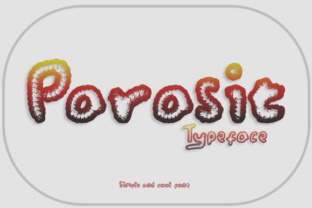
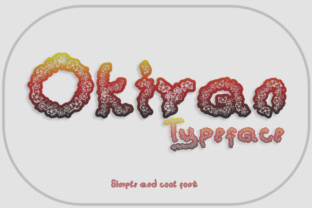
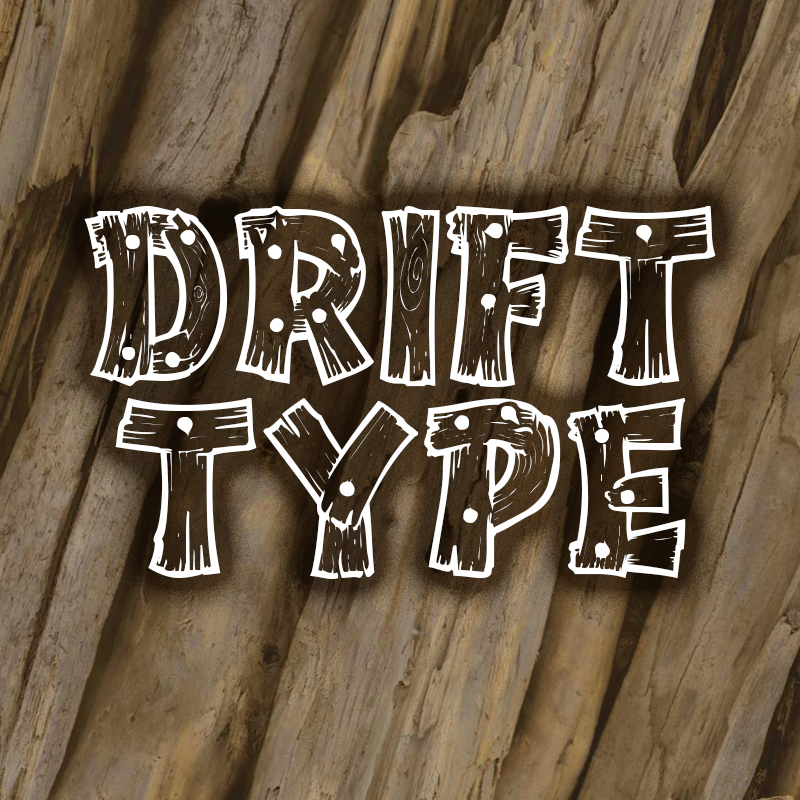
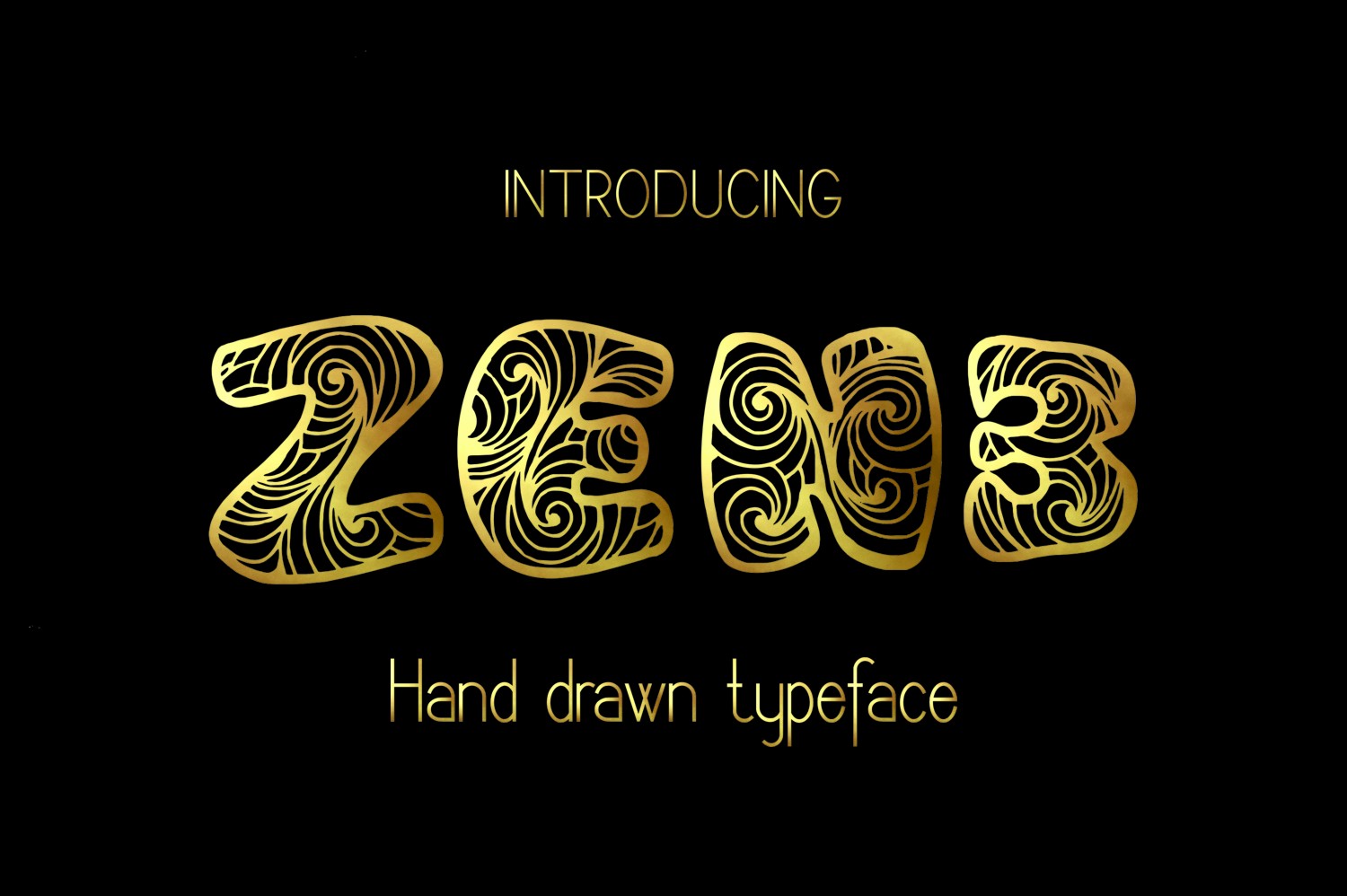
There is an awakening happening across the graphic design landscape. After years of hyper-minimalism and sterile precision, a craving for human connection and authentic expression is reshaping how brands communicate visually. This shift isn't about abandoning professionalism; it is about injecting soul back into visual design. The most effective tools in this movement are often the most human, such as a sketchy font with just a little bit of character. These imperfect, hand-drawn typefaces are rapidly becoming essential creative assets for designers who want to cut through the noise and build genuine resonance.
The Shift from Perfection to Personality
Modern aesthetics are evolving. Audiences have become highly adept at recognizing stock visuals and templated layouts. To stand out in digital marketing or on crowded retail shelves, you need genuine texture. The design awakening we are witnessing prioritizes emotional impact over flawless execution. A typeface that mimics natural ink strokes or pencil marks immediately communicates authenticity. It tells a story before the viewer reads a single word. This approach strengthens brand identity by grounding it in a tangible, human experience, whether applied to logo design, social media graphics, or packaging design.
Real-World Applications Across Design Disciplines
Integrating a hand-drawn or sketchy aesthetic is not limited to one niche. Its versatility makes it a powerful asset for a wide range of creative projects.
Branding and Logo Design
For startups, artisan coffee shops, children's brands, or creative agencies, a sketchy typeface provides an instant layer of approachability. It signals that your brand is creative, grounded, and confident enough to be imperfect. Paired with a clean sans-serif and a muted color palette, it creates a striking visual hierarchy that feels both professional and personal.
Digital and UI Design
In web design and UI design, using a sketchy font sparingly creates focal points. It works exceptionally well for hero headers, call-to-action buttons, or pull quotes. This contrast against a clean, functional layout improves user engagement by directing the eye naturally to the most important elements. It breaks the monotony of standard web typography without sacrificing readability.
Editorial and Packaging Design
Print design and packaging rely heavily on tactile appeal. A sketchy font bridges the gap between digital rendering and physical texture. On a product box or magazine spread, it adds a layer of craftsmanship. It suggests hands-on care, making the unboxing experience or reading journey more intimate and memorable.
Best Practices for Implementing Character-Driven Typography
To ensure your design awakening leads to a polished result rather than a chaotic one, consider these factors in your design workflow:
- Balance with Rigor: Pair your sketchy font with a highly neutral, clean typeface. If your headline is raw and textured, your body copy should be smooth and unobtrusive. This creates a dynamic tension that feels deliberate.
- Prioritize Readability: Reserve high-character fonts for short headlines or accents. Avoid using them for dense paragraphs or small text sizes where the details get lost.
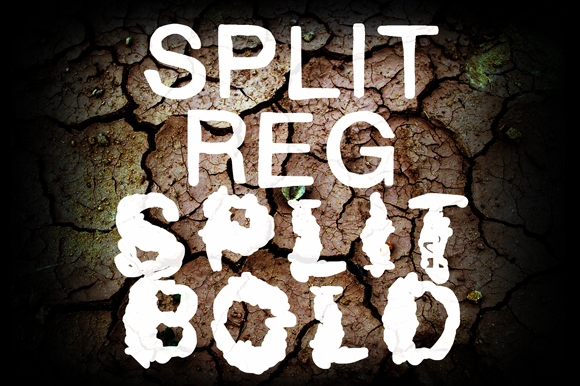
- Align with Your Brand Voice: Ensure the sketchiness matches your message. A heavy, rough stroke works for an alternative music festival, while a light, whimsical sketch suits a boutique stationery brand.
- Check Scalability: Always test how the font renders across different devices and sizes. A font that looks charming on a large poster might become muddy on a mobile screen.
Elevating Your Creative Toolkit
Adding these types of creative assets to your library expands your capacity for visual storytelling. Whether you are working on brand identity projects, digital marketing campaigns, or editorial design, the ability to weave in authentic texture is invaluable. This design trend is a response to the growing demand for transparency and humanity in visual communication. It is an awakening from the idea that "clean" must mean "cold."
Ultimately, the goal is to use typography and composition to create a lasting emotional connection. A sketchy font with just a little bit of character is not just a design choice; it is a statement. It tells your audience that you value creativity, authenticity, and the beauty of the human touch. By thoughtfully integrating these elements into your designs, you elevate your work from simple communication to meaningful interaction, ensuring your brand identity resonates deeply and endures.